The Myth That a Near Miss Predicts a Win
The near-miss myth makes a close result feel like a promise. Learn how to check a game's rules before deciding whether a near miss affects what comes next.
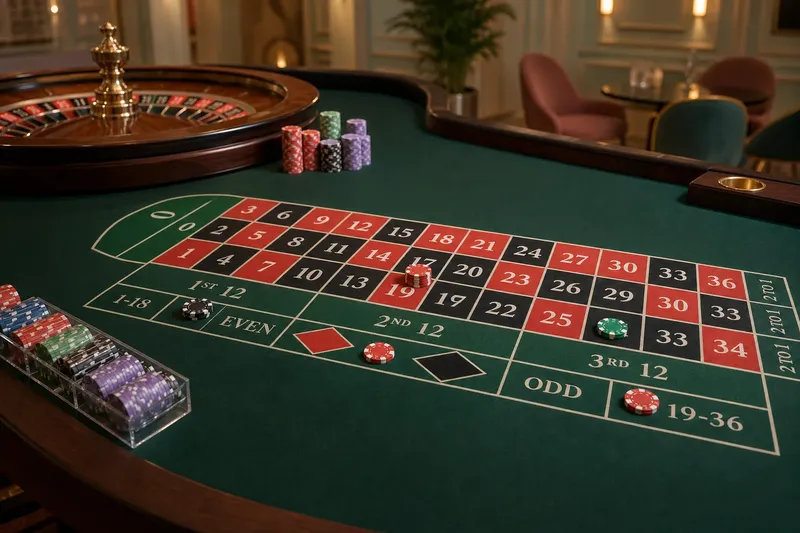
The ball settles beside your chosen roulette pocket, or a slot display leaves a matching symbol just above the payline. The near-miss myth turns that close result into a forecast: surely the next play is more likely to win. Whether that is true depends on the specific game and its rules, not on how close the last result looked.
What counts as a near miss
A near miss is an outcome that falls short of a target but resembles success. It might be a roulette ball in a neighbouring pocket, a card one rank away from the desired hand, or matching symbols separated from a slot’s payline.
The phrase describes the appearance of an outcome, not a special probability category. The result has happened. Unless the rules assign it a consequence, “nearly” does not mean progress has been stored for the next play.
Some games do connect one stage to another. A bonus feature or multi-stage round may carry a result forward if its rules say so. Check the paytable or game rules rather than inferring a carry-over from a display that looks close.
When does a near miss matter?
In a game with independent outcomes, a near miss on one play does not make a win more likely on the next. But independence should not be assumed for every game or mechanic: the relevant rules and outcome process matter.
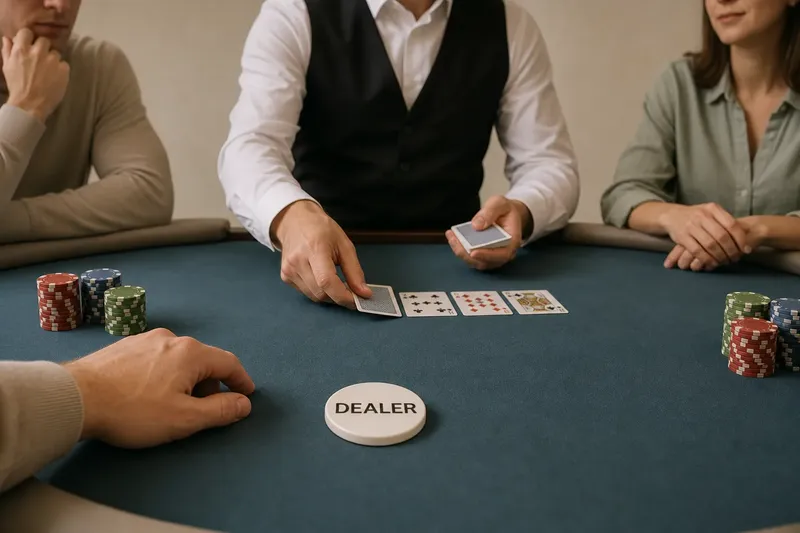
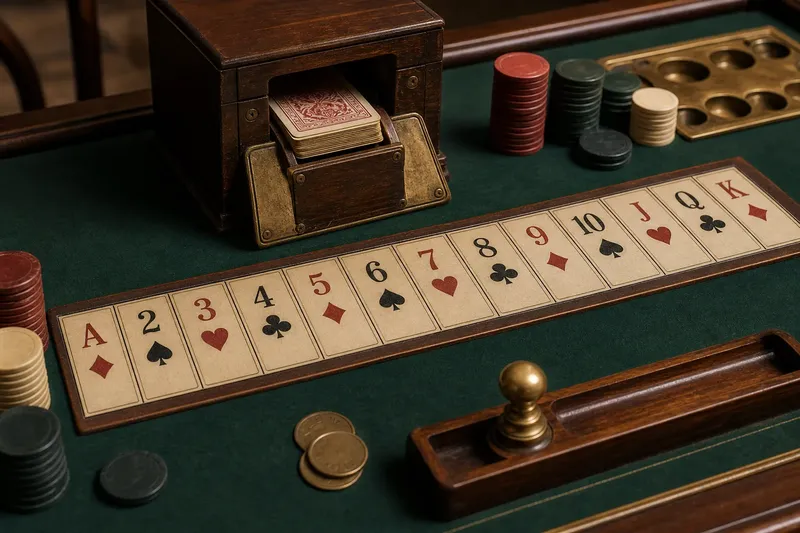
For instance, successive roulette spins are generally treated as separate events, while cards dealt from a finite deck change which cards remain available. That difference follows from how each game works; it does not make a previous near miss a prediction. For an electronic game, consult its own rules and outcome information before drawing conclusions about how one play relates to another.
Imagine you choose a slot game whose rules say each play is a separate outcome and that no progress carries over. One play shows two matching symbols, with the third outside the payline. If you play again, the observable result is a new outcome; the earlier display has not earned you a bonus or altered the odds under those stated rules. If the rules instead describe a feature that carries progress forward, that feature—not the near-miss appearance alone—determines what changes.
Why does a win feel due?
A run of losses can seem to demand correction. When a result also looks close, the mind supplies a neat story: the game was almost there, so the next play should finish the job.
This is the gambler’s fallacy when it treats independent events as if they must soon balance a recent run. Chance does not tidy the past by arranging a particular next result. A sequence can look lopsided without making a win due.
Closeness is useful only where the game has a defined process that carries progress forward. Otherwise, it describes the previous result and nothing more.
How can I check the rules?
Use the game’s own materials: its paytable, rules screen, help page or printed table rules. Look for language explaining whether a result changes later play, whether a bonus feature is active, and how the game determines outcomes. If those materials are unclear, ask the operator or consult the relevant official information rather than treating the display as an explanation.
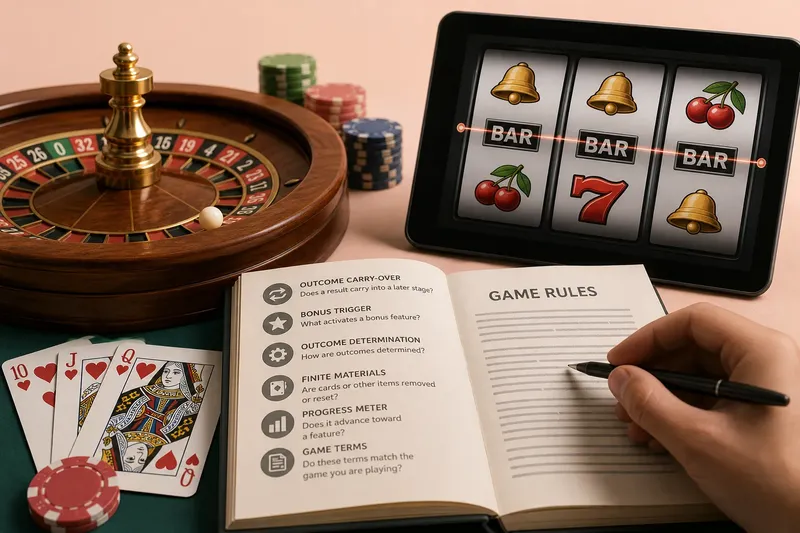
For each point below, check the named material and let the result guide your decision:
- Check the rules for wording that says an outcome carries into a later stage; if it does, follow the stated condition, and if it does not, treat the next play as having no stated carry-over.
- Check the paytable for a bonus trigger; if the displayed result meets that trigger, use the bonus rules, and if it does not, do not count it as a bonus.
- Check the rules screen for how electronic outcomes are determined; if it explains a link between plays, use that explanation, and if it describes separate plays, do not read a near miss as stored progress.
- Check the table rules for how cards or other finite game materials are handled; if earlier items are removed, account for the changed supply, and if the game resets them, use the reset rules for the next round.
- Check whether a progress meter has a defined effect; if the rules say it advances towards a feature, track that stated progress, and if no such effect is described, treat the meter as presentation rather than a prediction.
- Check the terms for the game version you are actually playing; if they match the displayed game, apply them, and if they differ or are missing, pause and ask staff or the operator for the correct rules.
What do players ask?
Does a slot machine remember losses?
A near miss alone does not show that a slot machine is “warming up” or preparing to pay. Check the particular game’s rules and outcome information for any stated feature connecting plays.
Does a near miss change the next odds?
Not in a game whose rules and process make successive outcomes independent. If the game has a mechanic that links outcomes, its stated terms explain what changes.
Are card games different?
They can be: in games using a finite deck, cards already dealt affect which cards remain available. That is a change in the available cards, not evidence that a nearly successful hand makes a later win more likely.
Should I raise my stake after a close result?
A close result is not, by itself, a reason to increase a stake. If frustration or excitement is driving the choice, pause and return to the limits you set before play.
Why do games show closeness?
A result just short of a target is vivid and easy to remember. Displays can make that closeness prominent, giving a loss the feel of movement or progress even when the rules say nothing has carried forward.
Separate the feeling from the information. A near miss can feel frustrating or exciting; only the game’s stated mechanics can tell you whether it affects a later stage.
What should I do next?
Treat the last result according to its rules, not as a promise about the next one. Decide whether to continue using your own time and spending limits, rather than the thought that a win is owed.
If gambling is causing financial or personal harm, consider speaking with a qualified support service or health professional. The practical point is simple: check the specific game’s rules before treating a near miss as anything more than a close-looking result.